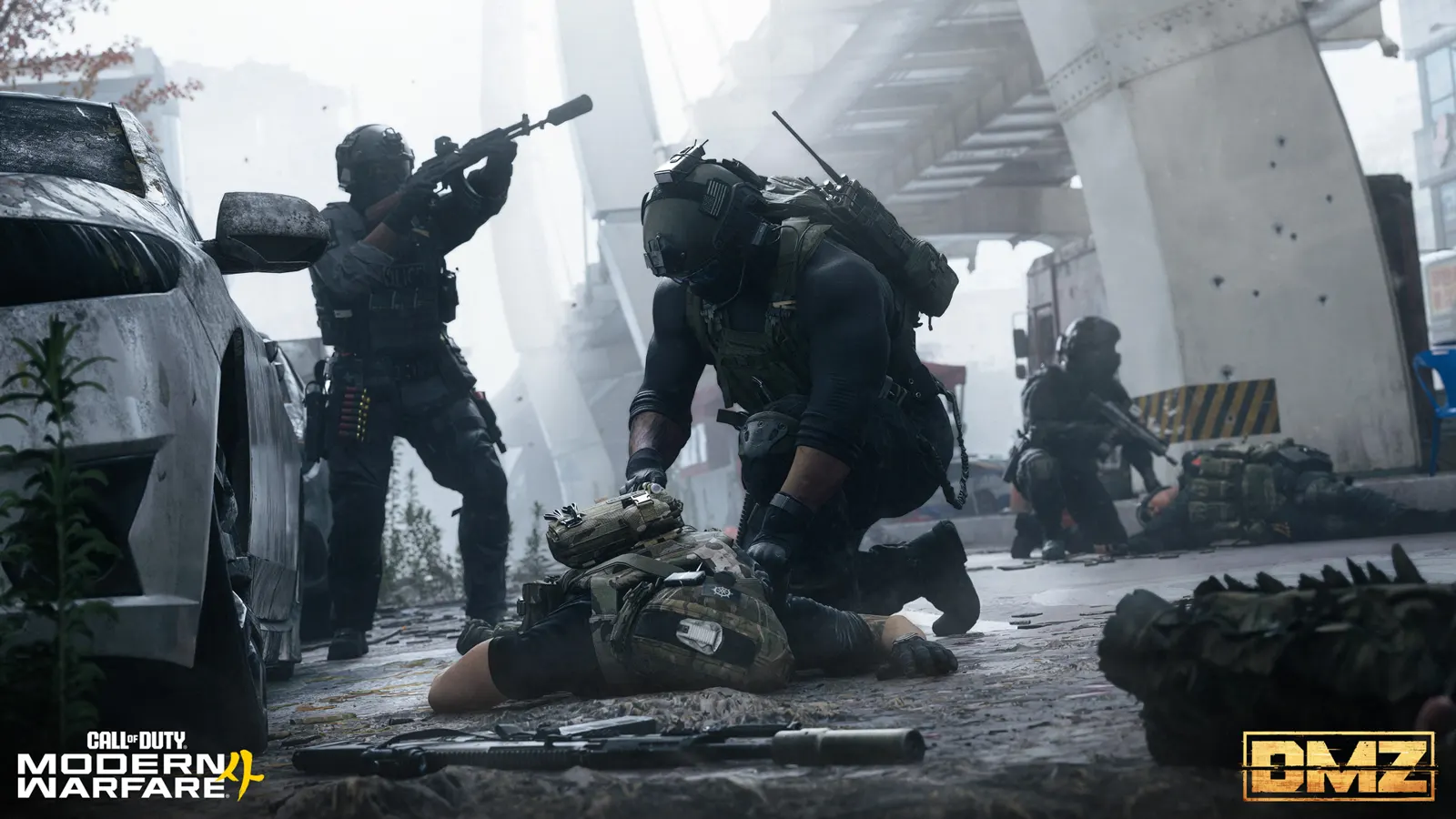
MW4 DMZ bounties: how the Wanted system works
Every player you kill raises the price on your head. How bounties grow, how hunters find you, and how to get rid of one.
Pre-launch guide. Written from official info released before early access. We update it as the game goes live.
In DMZ your first player kill starts a bounty on your Dog Tag, and more kills raise it. At 4 Operator kills you become Wanted, and at a $100,000 bounty you are marked on the Tac Map for nearby enemy players. Hunters claim the bounty by killing you and exfiling with your tag. You clear it by losing your tag, dying without exfil, or paying it off at a Bounty Station.
- Bounty starts on your first player kill
- Wanted at 4 Operator kills
- At $100,000 you show on nearby players' Tac Maps
- Pay it off or reduce it at a Bounty Station
DMZ rewards fighting other players, and it also makes you pay for it. Every Operator you kill raises a bounty on your own Dog Tag. Grow it too much and the whole map can come for you.
How a bounty grows
- Your first player kill starts a bounty.
- More kills, squad wipes, and killing while Wanted push it higher.
- At 4 Operator kills you become Wanted.
- Kills are tracked across deployments, so a bounty can follow you into the next run.
- There are several Wanted levels. The biggest bounties are Most Wanted.
- Things like who fired first and whether you were outnumbered also count.
- At $100,000 the game warns you: “BOUNTY INCREASED – WANTED. You will be marked on the tacmap for nearby enemy players.”
Wanted players also get a proximity warning when hunters get close. Details: PvP Bounties and Wanted status.
How hunters find you
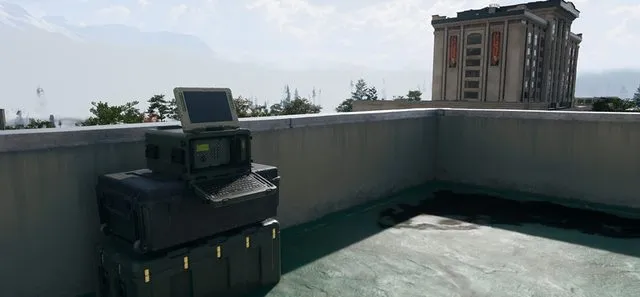
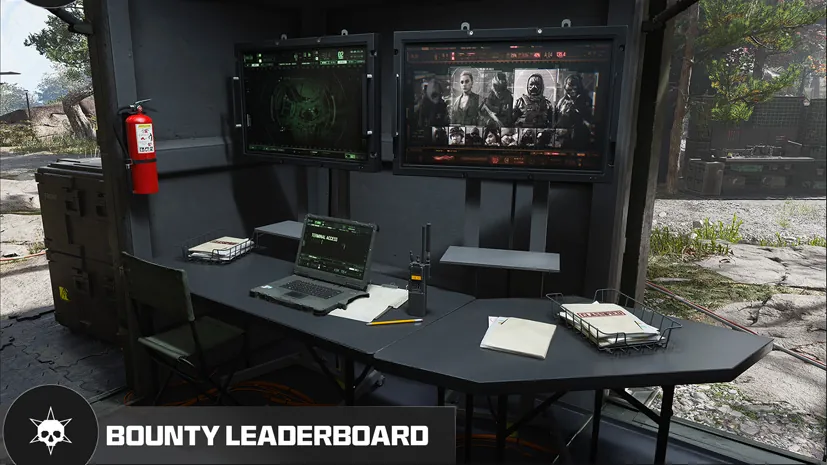
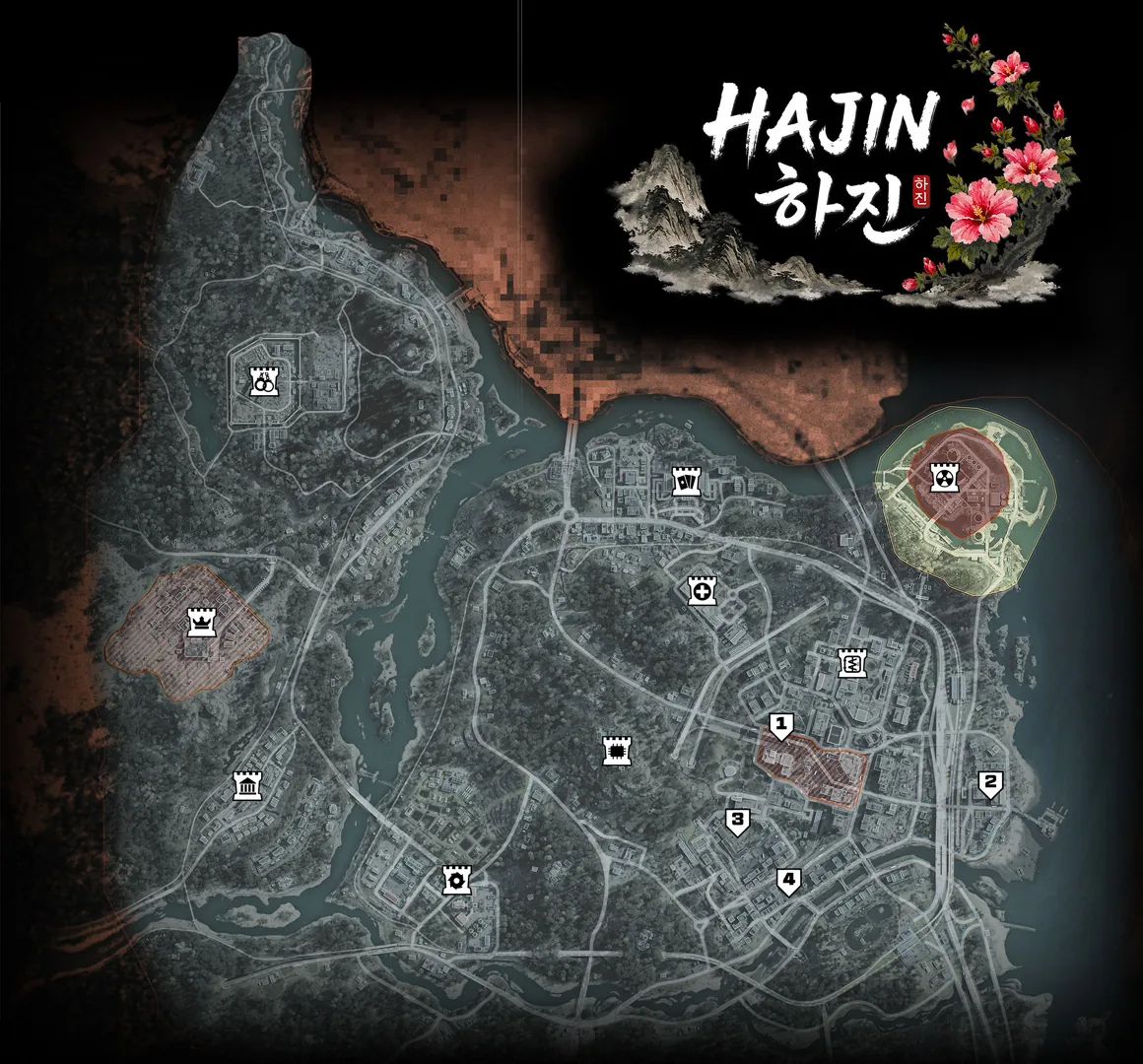
Hunters use Bounty Stations, waterproof laptops placed around Hajin:
- The list of Wanted players is free.
- Intel on a target costs DMZ Cash, paid from the hunter’s FOB Bank. The price rises with the target’s Wanted level.
- Intel shows an area circle, not a dot. The higher the Wanted level, the faster it updates and the smaller it gets.
- At the highest Wanted level, the killer’s area is visible to everyone in Hajin, intel or not.
See Bounty Intel. The Hunt Operators Dynamic Operation sends you after a full squad of rival Operators.
Claiming a bounty
Kill the Wanted player, take their Dog Tag, and exfil with it. The reward goes to your FOB Bank. No exfil, no payout. The bigger their bounty, the bigger your cut; official footage showed a 50,000 bounty paying 50,000 DMZ Cash.
Two FOB upgrades raise what you earn: the Dog Tag Bounty Payout Upgrade and the upgrades to the Dog Tag Case.
Three ways to clear your bounty
| Way | What happens |
|---|---|
| Lose your Dog Tag | A hunter takes it. The bounty is theirs to claim. |
| Die without exfil | The bounty ends, but so does your run. |
| Pay it off | At a Bounty Station you can pay the whole thing or part of it. One example showed a $5,000 reduction on a $25,000 bounty. |
The Most Wanted board
Back at the FOB, the Bounty Leaderboard shows the weekly Top 50 Most Wanted players (the killers) and the Top 50 Bounty Hunters. You can view it globally or for your friends only.
Staying alive while Wanted
- Thermal Padding (Scout): hidden from UAVs, and Advanced UAVs see you only as a normal UAV would.
- Viper Sense (Warfighter): hidden from thermal optics and AI targeting.
- Exfil early. A big bounty is only worth something to you if you live. The exfil guide covers the safest way out.
Want to know what a Dog Tag actually is? Read the Dog Tags guide.
Quick questions
How do I get rid of a bounty in DMZ?
Lose your Dog Tag, die without exfiling, or pay the bounty off at a Bounty Station in Hajin. You can also pay part of it to reduce it.
Do bounties reset after each match?
No. Your Operator kills are tracked across deployments, so a bounty can carry into your next run.
Where does bounty money go?
To your FOB Bank, after you exfil with the Wanted player's Dog Tag.
Mentioned in this guide

Official sources
Spotted something wrong? Send a correction.
Keep reading
 Guide · Getting startedMW4 DMZ: everything we know before launch
  Guide · Hajin & vehiclesHajin map guide: every major area and its threat level
  News · LaunchMW4 DMZ early access starts October 20 at 10 AM PT: who can play and what's included News · LaunchMW4 Season 1 starts November 6: Hajin comes to Warzone, and what's next for DMZ